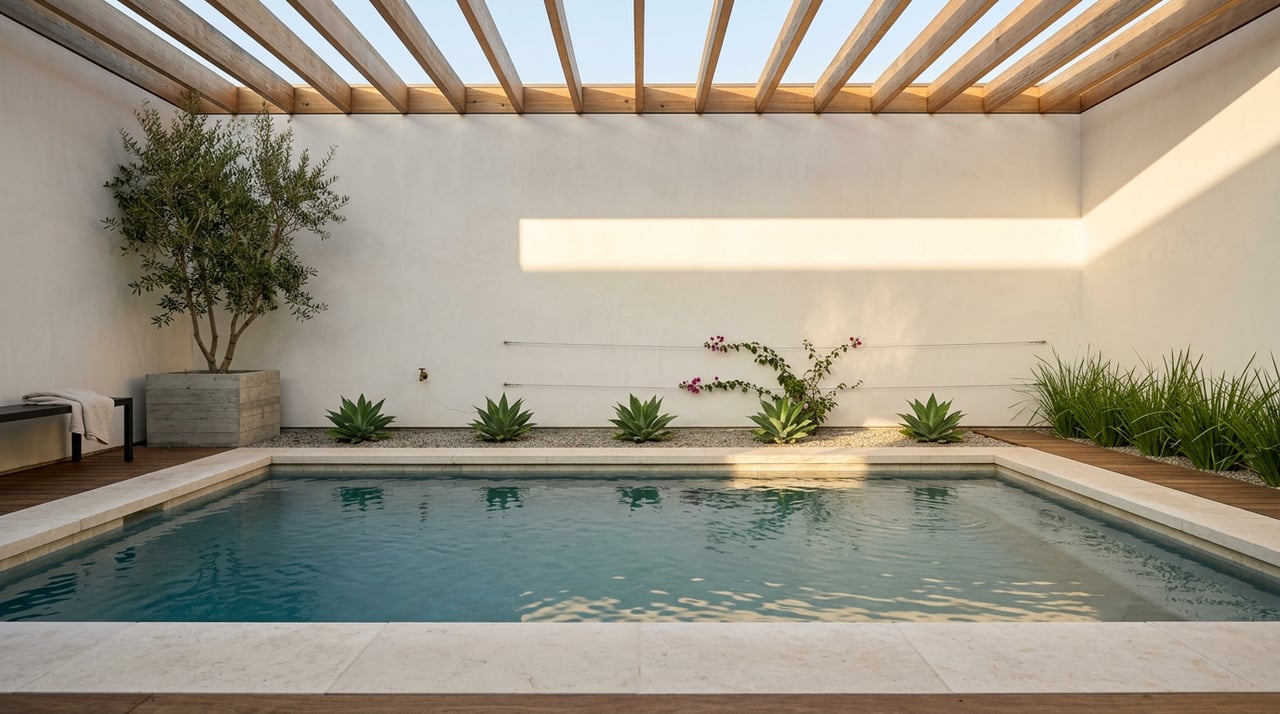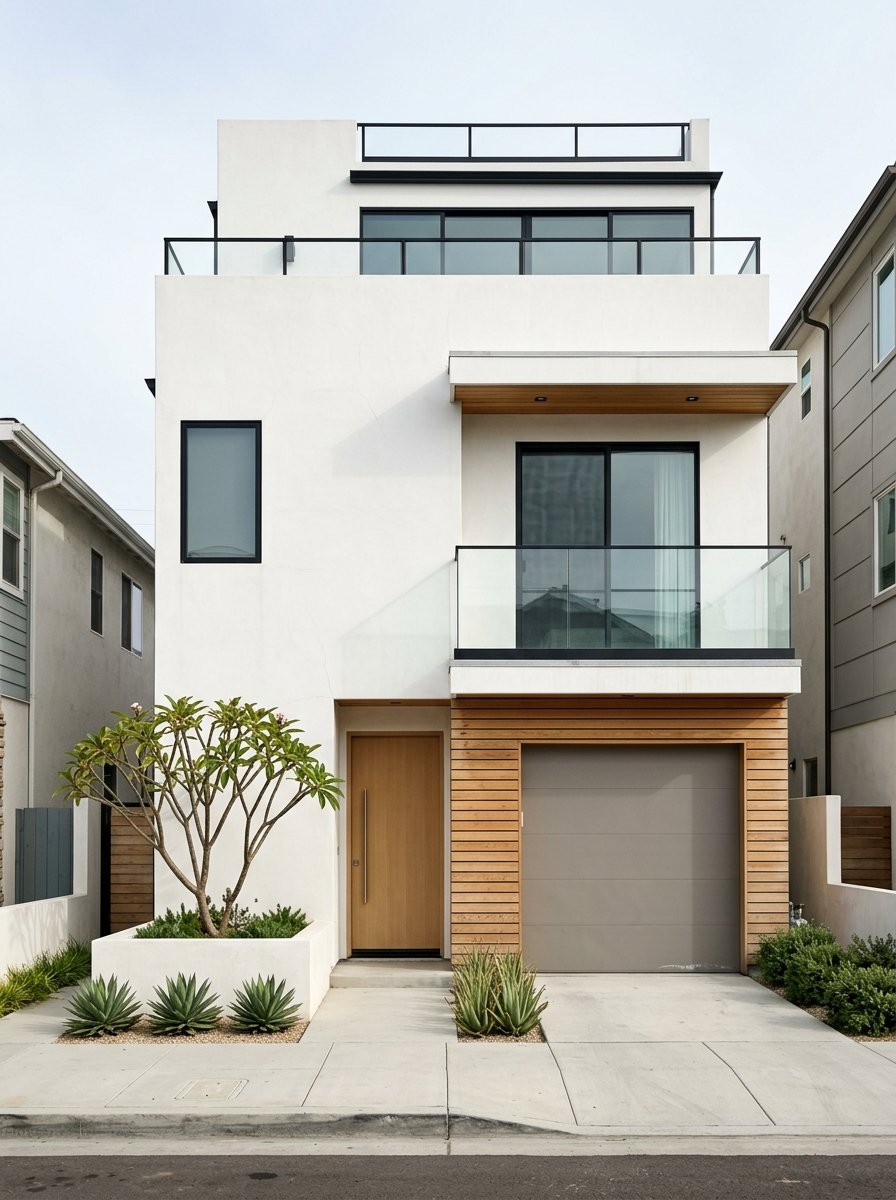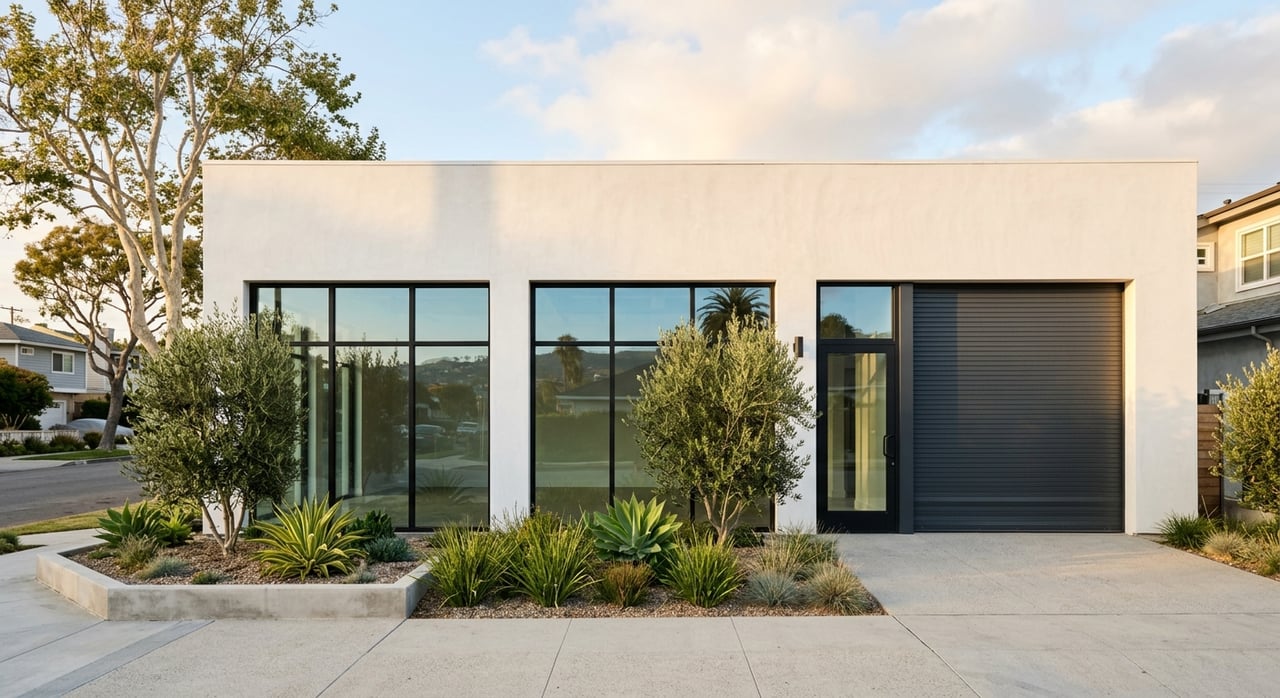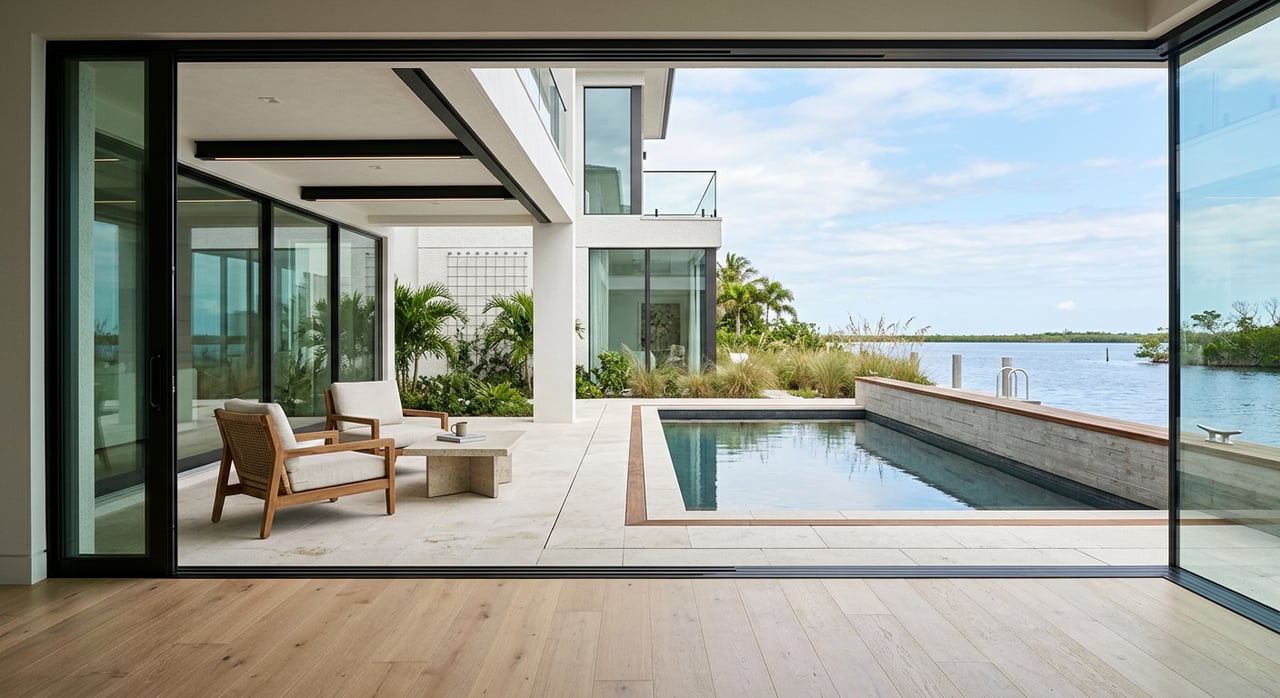
If you own a Huntington Beach waterfront home, you already know you are selling a lifestyle as much as a property. That also means buyers will expect stunning presentation and complete, coastal-specific disclosures. The good news: with a clear plan, you can protect value, avoid surprises, and launch with marketing that attracts premium offers. In this guide, you’ll get a step-by-step game plan tailored to Huntington Beach waterfront and near-water homes, from required disclosures and permits to staging, media, and timing. Let’s dive in.
What drives a premium in Huntington Beach
Huntington Beach is a higher-price coastal market where water access and view quality make a real difference. Properties with unobstructed ocean or harbor views, a private dock or slip, or immediate beach access can command materially higher premiums compared to inland listings. The exact premium varies with view quality, direct access, and the scarcity of comparables. Academic studies show small premiums for partial views and larger gains for true oceanfront or direct-access waterfront.
Buyer pools here include year-round coastal residents, second-home buyers, and cash buyers seeking lifestyle amenities like docks and outdoor entertaining space. If your property is within an HOA or a neighborhood with short-term rental rules, those factors can shape which buyers are eligible and interested. You can keep value strong by documenting access features, showing the indoor-outdoor flow, and providing a clean, complete disclosure package.
Get your coastal disclosures and records in order
Transparent, early disclosure builds trust and reduces renegotiations. In California, you must provide a Transfer Disclosure Statement and a Natural Hazard Disclosure. The NHD indicates whether your parcel is in mapped hazard zones such as flood, tsunami, or earthquake fault areas. To streamline your sale, order these before you hit the market and share them with buyers early. The California Association of REALTORS explains the requirements in its quick guide on the Natural Hazard Disclosure Statement. You can review the summary and prepare your documents using the C.A.R. NHD quick guide.
If your home was built before 1978, federal lead rules apply. You must provide buyers with the EPA/HUD pamphlet and required lead disclosure forms. If you plan any pre-listing work that disturbs painted surfaces, hire a contractor who is lead-safe certified and keep documentation. For details, see the EPA’s lead disclosure overview.
Flood, tsunami, and insurance: what buyers will ask
Many waterfront and low-lying parcels have some level of flood or tidal inundation risk. Lenders and buyers will check your parcel’s FEMA flood designation and ask about insurance. Before you list, pull your property’s flood-zone information from the FEMA Flood Map Service Center, and be ready to share it. Huntington Beach’s general plan materials also discuss coastal hazards, including tsunami considerations. You can reference the city’s Natural and Environmental Hazards document for local context.
Shoreline armoring, docks, and coastal permits
If your home has a seawall, bulkhead, revetment, or dock, gather the full permit history and any maintenance reports. In Huntington Beach’s coastal zone, shoreline protection and waterfront improvements are closely regulated under the city’s Local Coastal Program and by the California Coastal Commission. Reconstructed or new armoring can require separate findings and mitigation, and missing or unpermitted work is a common deal risk. For policy context, review the Coastal Commission’s shoreline and coastal permitting overview. If you have questions, pull city records and consult professionals early.
HOA and short-term rental considerations
Short-term rental rules and HOA covenants can shape buyer demand. Huntington Beach’s Short-Term Rental ordinance requires permits and includes owner-occupancy limits in some areas. If your property has an STR permit or if your HOA restricts rentals, compile those documents for buyers. You can reference the city’s STR ordinance summary to understand how future use may be affected.
Environmental and filming constraints near the coast
Huntington Beach is next to sensitive coastal habitat, including Bolsa Chica wetlands. Nesting shorebirds may trigger seasonal limits on bright landscape lighting or certain types of nighttime filming. If you plan a twilight shoot or exterior production, coordinate timing and lighting with your photographer to be respectful of habitat. Local conservation resources from Sea & Sage Audubon provide helpful background.
If you intend to use drones or shoot on public beaches, follow the rules. Commercial drone pilots must hold an FAA Part 107 Remote Pilot Certificate and comply with Remote ID and airspace authorizations. Shooting on California State Parks property, such as Huntington State Beach, often requires separate film permits. Book professionals early and confirm your locations are approved. For more, see the FAA’s Part 107 guidance and California State Parks’ film permit notice.
Pre-listing inspections and coastal maintenance
A little proactive due diligence can save you weeks in escrow. Start with:
- A pre-listing home inspection covering structure, roof, HVAC, plumbing, and electrical. If your property has a dock, pier, bulkhead, or seawall, add a marine or structural inspection by a specialist.
- A termite and pest inspection, which is common in Southern California.
- A permit and plan-history pull for major improvements, decks, shoreline work, or additions. Collect Coastal Development Permits if applicable and keep receipts.
Salt air can be hard on finishes. Before photos, address visible corrosion, oxidation, failed caulking, and fogged glass. Where practical, replace exterior fasteners or hardware with corrosion-resistant or marine-grade alternatives. FEMA’s coastal building science guidance explains why corrosion-resistant materials and ongoing maintenance matter for longevity near salt water. You can skim FEMA’s coastal construction and materials guidance to help prioritize your refresh list.
Create a clean maintenance packet to share with buyers. Include roof ages, service logs, pest reports, any seawall or dock inspection reports, and utility or irrigation information. Buyers of premium waterfront homes expect documentation that shows careful stewardship.
Stage for the view and the lifestyle
Staging is not cosmetic fluff in a waterfront listing. It is strategy. The 2025 NAR Profile of Home Staging reports that professional staging and high-quality visuals can shorten time on market and influence buyer offer prices. If you are selling a home with a prized view, staging amplifies what matters most. You can explore the findings in the 2025 NAR Home Staging Report.
Focus on these priorities:
- Maximize sightlines to water. Remove heavy window treatments, thin landscaping that blocks view corridors, and arrange seating to face the ocean, harbor, or channel. Use low-back furniture on balconies and terraces.
- Create indoor-outdoor continuity. Use a neutral, coastal palette with natural textures and durable, UV-resistant fabrics. Show how large sliders or bifold doors open to decks and patios. Define living zones with rugs oriented toward the view.
- Stage outdoor environments. Set an alfresco dining table, group lounge seating, and add warm ambient lighting. Keep glass and railings spotless to avoid salt streaks in photos.
- Highlight coastal-grade materials. Note upgraded corrosion-resistant fasteners, stainless fixtures where appropriate, and fresh exterior sealing. This reduces buyer anxiety about maintenance.
If you are budgeting, start with easiest wins: declutter, deep clean, address corrosion, and stage the key view-facing rooms and outdoor spaces. Many luxury sellers invest in full-property staging and media because the visibility lift often attracts a broader, higher-quality buyer pool.
Plan your photos, video, and drone work
Your goal is to situate the home in its waterfront context and make the lifestyle feel effortless. A simple plan helps you land the shots that sell:
- Aerial establishing shots that show the coastline, proximity to the Huntington Beach Pier or the harbor, and your home’s position in the neighborhood. Hire a Part 107 pilot and confirm approvals for any public-beach footage.
- Twilight exteriors that glow. Test landscape and interior lighting in advance, and schedule the photographer for a single dusk window so exposures balance well.
- Daytime exteriors with clear access lines, such as stairs to the sand or ramp to the slip.
- Interior hero frames captured from inside looking out to emphasize the indoor-outdoor flow.
- Detail vignettes like the terrace grill, outdoor shower, boat slip, renovated kitchen, or the view from the primary suite.
- A 60 to 90 second marketing video that combines aerial context, twilight exteriors, and relaxed lifestyle moments.
Permits and timing matter. Confirm any city or state park film-permit needs before you book. Your media window is short if you are chasing sunset, so rehearse lighting and staging to avoid on-site scrambles. Clean glass is non-negotiable.
Timeline and checklist for a smooth launch
Use this sequence to guide your prep. Scale timelines up if you have permit-level work.
- Week 6 to 12 out: If you plan major repairs or shoreline work, consult on permits and secure approvals before you begin. Coastal work can require extra time and findings under the Local Coastal Program and state review.
- Week 4 to 6 out: Order pre-listing inspections (home, roof, pest, marine if applicable). Pull permit history and order the NHD and other statutory reports.
- Week 3 to 4 out: Complete high-ROI refresh items such as paint touch-ups, caulking, hardware swaps to corrosion-resistant options, and a deep glass cleaning. Engage your stager and finalize scope.
- Week 2 out: Install staging and complete final cleaning.
- Week 1 out: Capture photography and video, including any twilight and approved drone work. If you are using a floor plan or 3D tour, schedule those now.
- Launch day: Go live with the full media package, property website, and a clean disclosure and maintenance packet ready for buyers.
Cost planning:
- Staging: For luxury waterfront properties, staging can range from several thousand dollars to low five figures depending on scope and duration. Premium sellers often consider it part of the marketing investment.
- Photography and video: Expect several hundred to a few thousand dollars for professional day and twilight photos and cinematic video. Aerial work and advanced editing add to cost.
- Inspections: Home, pest, and any marine or structural specialty inspections vary by scope. Get local quotes and keep all reports to share.
Common mistakes to avoid
- Going live without NHD, FEMA flood info, or shoreline permit history. Missing disclosures erode trust and can trigger renegotiation.
- Ignoring visible salt-air wear. Rusted railings, oxidized hardware, and fogged glass are fast turn-offs in photos and showings.
- Filming drones on public beaches without required permits. Permits can take time to secure and denials can derail a scheduled shoot.
- Overdoing nautical staging or under-documenting maintenance. Keep styling aspirational and provide a thorough maintenance packet.
Your next step
You do not have to juggle all of this on your own. With a strategic pre-list plan, you can showcase the water, handle coastal disclosures with confidence, and launch with media that makes buyers fall in love. If you would like a turnkey approach, I coordinate inspections, permit pulls, staging, and high-production media, then drive targeted exposure across MLS, social, and The Agency’s network. Ask about optional support such as The Agency ReFrame for approved pre-list improvements and white-glove relocation resources. When you are ready, let’s talk about your goals and timing.
Schedule a consultation with Ashley Sells OC.
FAQs
What disclosures do I need when selling a Huntington Beach waterfront home?
- You must provide California’s Transfer Disclosure Statement and a Natural Hazard Disclosure that identifies mapped hazards such as flood or tsunami zones. Homes built before 1978 also require federal lead disclosures, and you should compile permit history and maintenance records to reduce buyer concerns. See the C.A.R. NHD quick guide and the EPA’s lead disclosure overview.
Do I need permits to use drones or film my waterfront listing in Huntington Beach?
- Commercial drone operators must be FAA Part 107 certified and follow Remote ID and airspace rules, and filming on state beaches or other public property often requires separate permits; confirm approvals well before your shoot. Review the FAA’s Part 107 guidance and California State Parks’ film permit notice.
How should I handle seawall, bulkhead, or dock records before listing?
- Pull the full permit history, gather any Coastal Development Permits, and order a marine or structural inspection if you have a seawall, bulkhead, pier, or dock; missing or unpermitted shoreline work is a common escrow risk. The California Coastal Commission’s shoreline permitting overview explains why documentation matters.
Will a flood or tsunami zone affect my buyer’s financing or insurance?
- Lenders and insurers use FEMA flood-zone data and local hazard information to set requirements; check your parcel’s designation early and be ready to share it with buyers. Start with the FEMA Flood Map Service Center and the city’s Natural and Environmental Hazards document.
What staging moves deliver the best ROI for a Huntington Beach waterfront sale?
- Clear the view, stage indoor-outdoor living, polish outdoor spaces for twilight, and note coastal-grade materials to reduce maintenance worries; the 2025 NAR Home Staging Report shows staging can influence sale speed and price.
Are short-term rentals allowed at my Huntington Beach waterfront property?
- It depends on your location, permits, and HOA rules; Huntington Beach regulates STRs via permits and owner-occupancy limits in some areas, so disclose any active permits and HOA documents. Review the city’s STR ordinance summary and share the details with buyers.