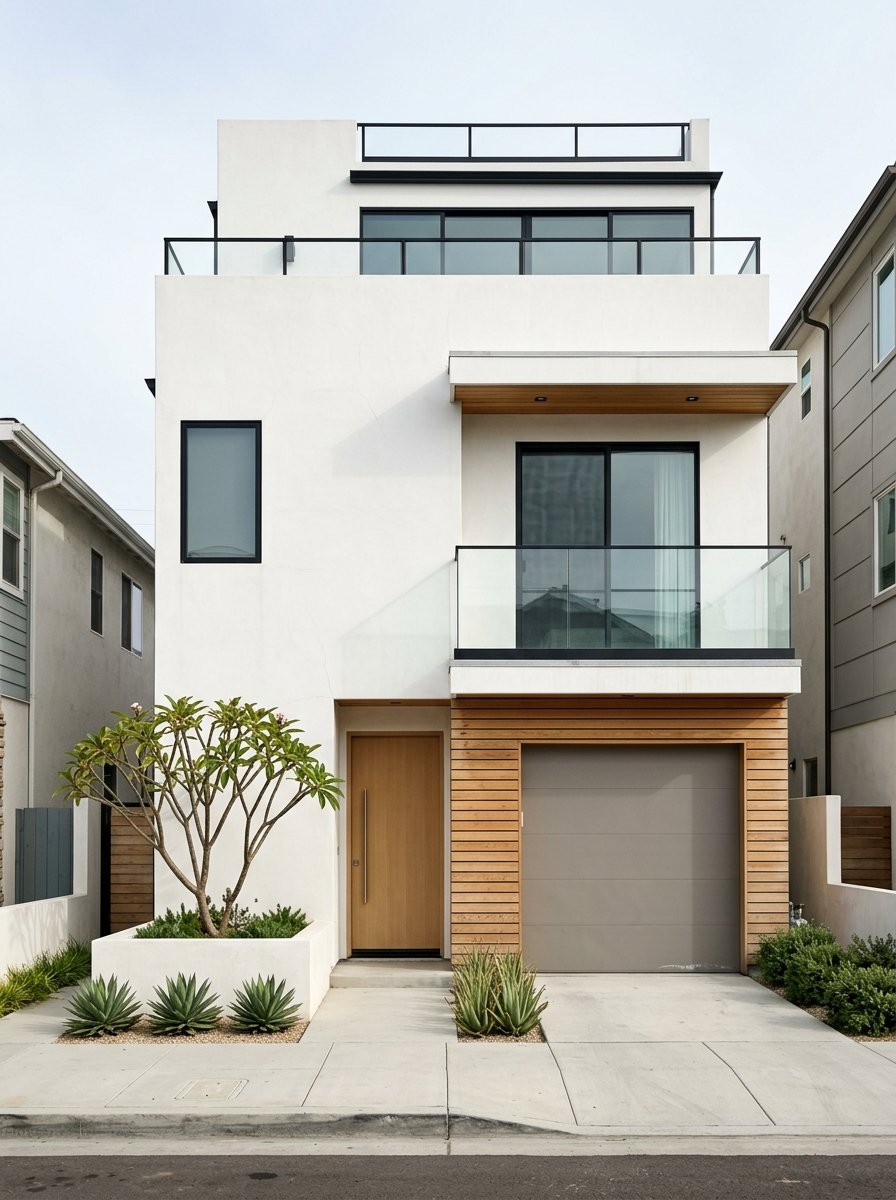
If you are drawn to coastal Orange County but want something more intimate than a typical beach neighborhood, Balboa Island deserves a close look. Life here feels tied to the water, the walking path, and the kind of daily routine where shops, dining, and bay views are part of your normal day. If you are thinking about buying a primary home, second home, or investment-minded coastal property, understanding how the island actually lives is key. Let’s dive in.
What Balboa Island Is Like
Balboa Island is a compact, man-made village within Newport Beach made up of three attached islands: Balboa Island, Little Balboa Island, and Collins Island. It was dredged between 1906 and 1913 and became part of Newport Beach in 1916. Today, the island has about 1,400 lots and roughly 4,500 residents, which helps explain its close-knit, village-scale feel.
What stands out most is how self-contained the area feels. Unlike many coastal neighborhoods where you still rely heavily on your car, Balboa Island is built around short distances and everyday walkability. That layout shapes everything from morning routines to weekend plans.
Walkability Shapes Daily Life
One of the biggest lifestyle draws is the Balboa Island Loop. The City of Newport Beach labels the perimeter walk at 1.70 miles, while the Balboa Island Museum notes the combined loop around Balboa Island and Little Balboa Island is about 2.5 miles. Either way, you get a neighborhood where walking by the bay is a normal part of daily life.
The public boardwalk is another major feature. According to the Balboa Island Museum, Balboa Island is the only island in Newport Harbor with a public boardwalk that completely surrounds it. That gives residents and visitors an easy way to stay connected to the waterfront throughout the day.
This is part of why the island feels so active without feeling rushed. You are likely to see neighbors out for an evening stroll, people heading to Marine Avenue, and plenty of movement around the docks and bayfront.
Waterfront Living Feels Front and Center
On Balboa Island, the bay is not just scenery. It is woven into daily life. The museum notes that the bay beaches are used for swimming, youth sailing, sandcastle contests, fireworks viewing, and walks along the public boardwalk and docks.
That creates a lifestyle that feels social and visually connected to the harbor. Even if you are not on the water every day, the waterfront presence is hard to ignore. For many buyers, that is the real appeal: your home, the street, and the bay all feel closely linked.
Golf carts are also commonly used for short trips to Marine Avenue and Bayside Drive. That detail says a lot about the pace of the neighborhood. It is casual, compact, and designed around convenience in a way that feels distinct within coastal Orange County.
Getting Around Balboa Island
Access matters when you are choosing a coastal neighborhood, and Balboa Island has a very specific rhythm. The Balboa Island Ferry has operated continuously since 1919 and crosses about 800 feet between Balboa Island and Balboa Peninsula. It runs daily from 6:30 a.m. to midnight.
For many people, the ferry is more than transportation. It is part of the lifestyle. The ferry operator notes that using the bridge instead can add as much as six miles of travel, which helps explain why the short harbor crossing remains such an important part of island life.
That easy connection gives you access to the Peninsula while keeping Balboa Island’s quieter village atmosphere. It is one of the reasons the location feels both tucked away and well connected at the same time.
Marine Avenue and Nearby Amenities
Marine Avenue is the island’s commercial heart. The City of Newport Beach describes it as lined with quaint shops, art galleries, and restaurants. Visit Newport Beach also describes the area as a place for unique shopping and a range of dining options.
For buyers, that means everyday convenience is built into the neighborhood. You can enjoy a walkable mix of errands, dining, and leisure without needing to leave the island for every small plan. That kind of accessibility can be a major quality-of-life benefit.
The nearby Balboa Peninsula expands your options even more. The city notes close access to the Balboa Pier, Balboa Fun Zone, and the historic Balboa Pavilion, with the ferry providing the connection across the harbor. So while Balboa Island feels compact, it is still tied into the broader Newport Beach lifestyle.
Community Traditions Add Character
Balboa Island is known for recurring community events that help shape its identity. The City of Newport Beach highlights the annual Balboa Island Parade, annual Art Walk, and the Balboa Bar. The museum also points to a Christmas tree lighting and snow day, summer sandcastle contests, 4th of July fireworks views, and the Newport Harbor Christmas Boat Parade.
These traditions are a meaningful part of what makes the island memorable. They create a visible sense of community and a calendar of familiar seasonal moments. If you want a neighborhood where local traditions are easy to notice, Balboa Island offers that in a very clear way.
The Balboa Island Improvement Association and the Little Balboa Property Owners Association also help organize concerts, home tours, parades, pancake breakfasts, and veterans events. That kind of ongoing involvement supports the island’s strong village feel.
Balboa Island Homes and Lot Sizes
Balboa Island’s housing pattern is one of its defining real estate traits. A City of Newport Beach planning document says more than 95% of parcels in the R-BI zone on Balboa Island and Little Balboa Island are uniform rectangular lots measuring 30 feet by 85 feet. Another city planning document notes that most lots on Balboa Island are 30 feet wide.
The Balboa Island Museum says the original lot size was 30 feet by 80 feet and that most lots are still close to that scale. In practical terms, that means the island is shaped by narrow, standardized lots rather than broad suburban parcels. This has a direct impact on home design, scale, and street presence.
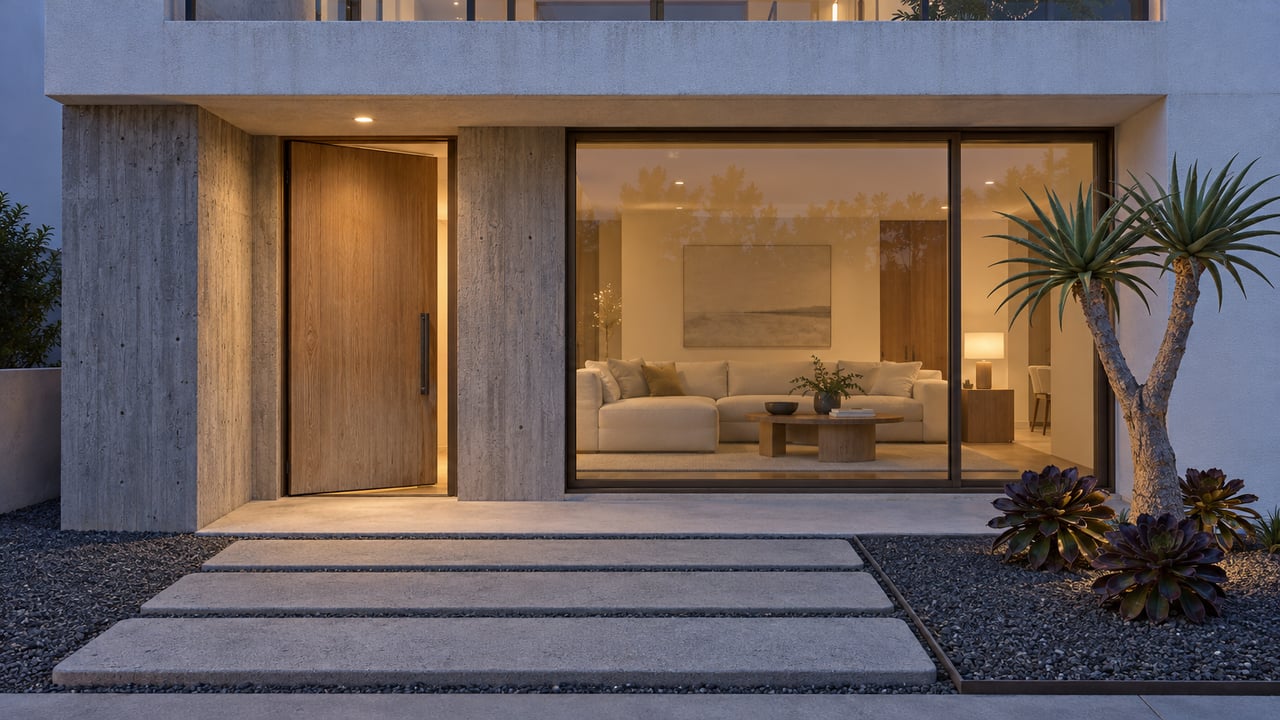
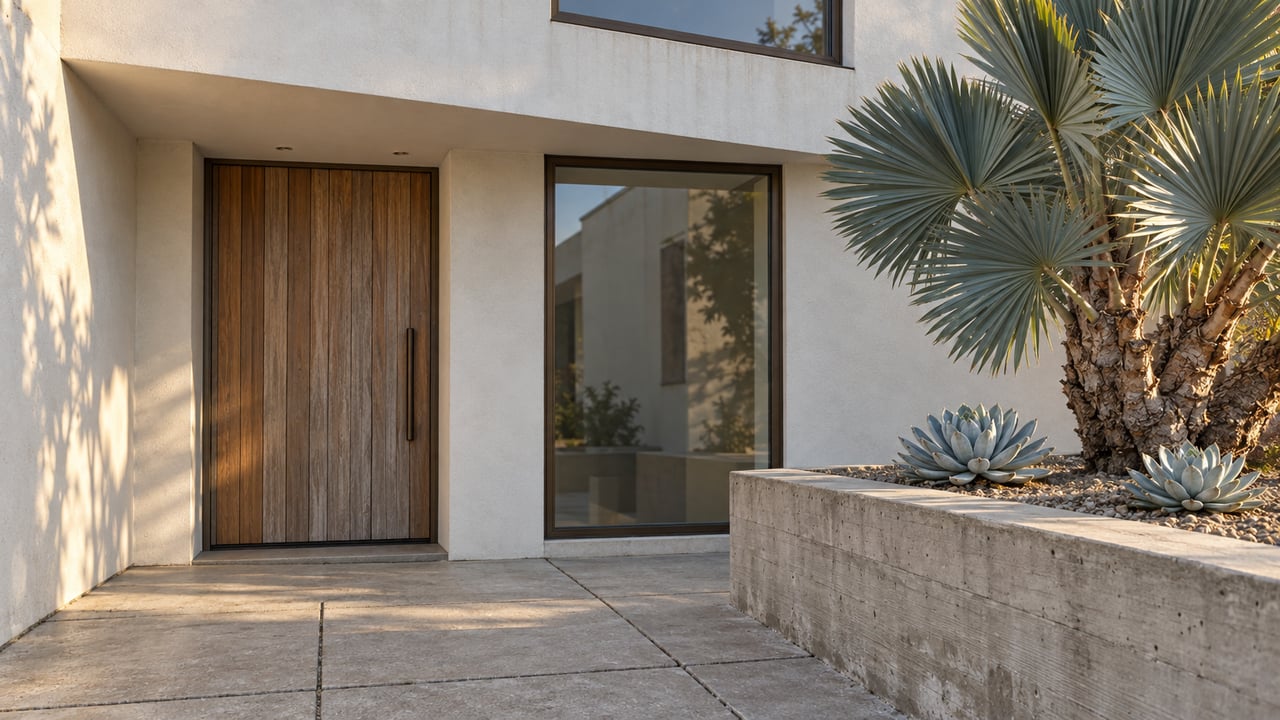
For buyers, this is important to understand early. A home may feel larger or smaller than expected depending on how the lot was used, whether the property was preserved, remodeled, or rebuilt, and how indoor and outdoor spaces were designed.
The Mix of Cottages and Rebuilt Homes
The housing stock is not uniform. The City of Newport Beach’s cottage preservation page explains that the community uses the term cottage for smaller residential dwellings that reflect traditional development patterns in places like Balboa Island. These homes are typically one story, with a small second story above parking at the rear of the lot.
At the same time, many homes have been remodeled, expanded, or rebuilt over the years. The museum explains that cottages first became popular as affordable getaway homes, and that many houses were modernized or rebuilt after World War II as the island shifted toward year-round living.
That means your options may range from preserved beach cottages to larger custom homes. From a real estate perspective, Balboa Island often delivers a charming small-lot street scene, but the homes themselves can vary significantly in age, style, and layout.
What Buyers Should Keep in Mind
If you are considering living on Balboa Island in Newport Beach, it helps to think beyond the photos. The appeal is not only architectural or waterfront. It is also about the way the neighborhood functions day to day.
Balboa Island is best suited to buyers who value a compact, social, pedestrian-oriented setting with strong ties to the bay. You are choosing a place where walking loops, local traditions, ferry rides, public waterfront access, and close proximity to Marine Avenue are all part of the experience.
That is a different lifestyle than a more private or car-dependent coastal neighborhood. For the right buyer, that difference is exactly the point.
Why Balboa Island Appeals to Coastal Buyers
From a lifestyle perspective, Balboa Island offers something rare in Orange County. It combines bayfront energy, neighborhood-scale walkability, and a housing pattern that feels rooted in local history. You get a setting that is both residential and active, with easy access to Newport Beach amenities beyond the island itself.
For buyers looking at Newport Beach, this is one of those micro-markets where local context matters. The lot sizes, the ferry connection, the public boardwalk, and the mix of cottages and rebuilt homes all shape value and fit. If you are comparing coastal options, understanding those details can help you make a more confident decision.
If you are exploring Newport Beach neighborhoods and want guidance that is strategic, local, and tailored to your goals, Ashley Sells OC can help you navigate the lifestyle, inventory, and buying opportunities that make coastal Orange County so unique.
FAQs
What is daily life like on Balboa Island in Newport Beach?
- Daily life on Balboa Island centers on walkability, waterfront access, Marine Avenue shops and restaurants, and regular use of the public boardwalk and bayfront areas.
How long is the Balboa Island walking loop?
- The City of Newport Beach labels the Balboa Island Loop at 1.70 miles, and the Balboa Island Museum says the combined loop around Balboa Island and Little Balboa Island is about 2.5 miles.
How do you get from Balboa Island to Balboa Peninsula?
- The Balboa Island Ferry connects Balboa Island and Balboa Peninsula across about 800 feet of harbor and runs daily from 6:30 a.m. to midnight.
What types of homes are common on Balboa Island?
- Balboa Island includes a mix of traditional cottages, remodeled homes, and rebuilt or custom residences, with many properties located on narrow rectangular lots that are typically about 30 feet wide.
What makes Balboa Island different from other Newport Beach neighborhoods?
- Balboa Island stands out for its village-scale layout, full public waterfront boardwalk, ferry access, walkable commercial core on Marine Avenue, and strong calendar of community traditions and events.