Waterfront homes can look similar at first glance, but in Huntington Harbour, the details can change everything. If you are shopping for a home on the water, you are not just buying square footage. You are also buying a specific dock setup, a certain channel position, a level of privacy, and a set of carrying costs that can shape your day-to-day life. This guide will help you evaluate a Huntington Harbour waterfront home with more clarity and confidence. Let’s dive in.
Start With the Micro-Location
Huntington Harbour is a distinct waterfront district in northwest Huntington Beach. City materials describe it as one of California’s largest residential harbors, spanning about 1.4 square miles with six islands, more than 500 bayfront homes, over 3,000 private boat slips, and about 7,000 residents.
That scale matters, but so does the fact that not every waterfront address lives the same. The harbor’s layout, limited access points, and channel-facing design mean small differences in street position, frontage, and view corridor can affect both your lifestyle and resale.
The road network is also more constrained than a typical neighborhood grid. According to the city’s circulation planning, access in the Huntington Harbour and Sunset Beach area is shaped by surrounding barriers like wetlands, the ocean, the Santa Ana River, and the Seal Beach Naval Weapons Station. In simple terms, a property may feel close by boat but less direct by car.
What to study on the map
Before you fall in love with finishes, look closely at where the home sits within the harbor.
- How direct is the car route in and out?
- How wide is the channel behind the home?
- How open is the view from the main living areas?
- How close are neighboring homes across the water?
- How easy is the route from the dock to broader waterways?
Evaluate the Water Interface First
In most neighborhoods, buyers start with the house itself. In Huntington Harbour, many savvy buyers start with the water interface.
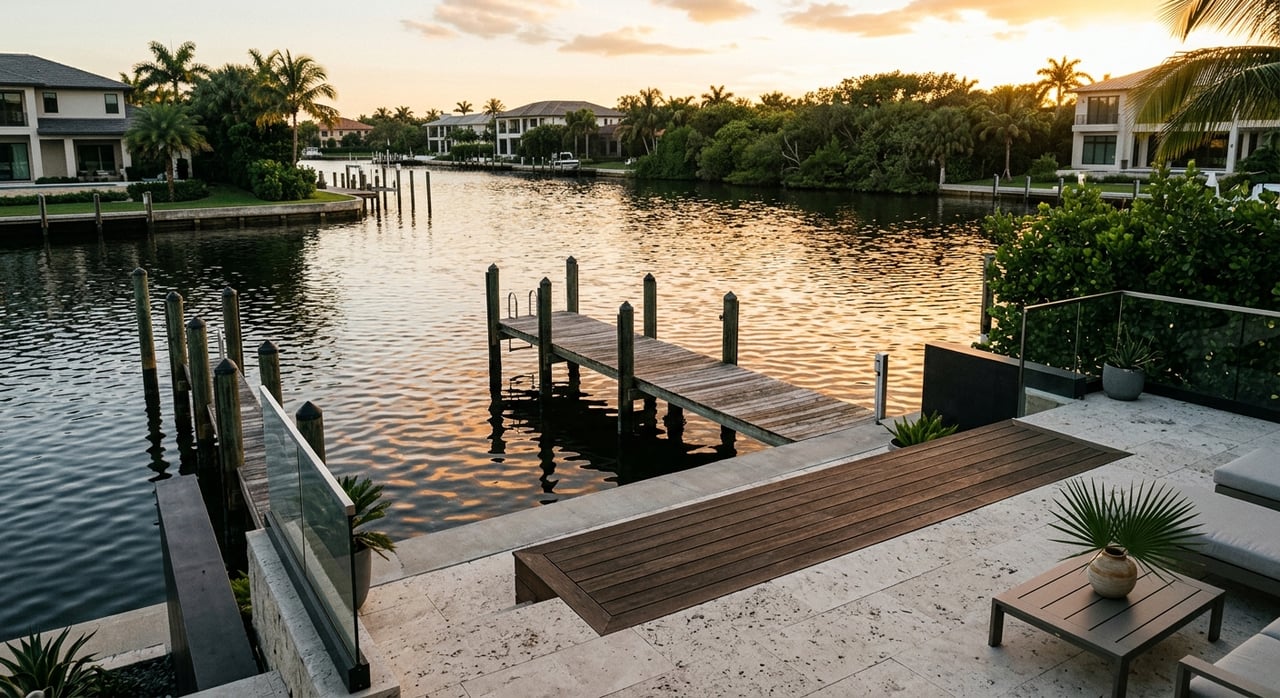
The harbor is relatively shallow, with city materials describing depths of about 15 to 20 feet. It supports boating, kayaking, fishing, sailing, paddleboarding, and sunset cruising, but those uses do not make every dock right for every boat.
If you plan to keep a vessel at the property, do not rely only on the listing description. Confirm the actual dimensions of the slip or dock, the water depth, and the route from the home’s waterfront position to the wider channel system and Anaheim Bay connection.
Dock questions to ask early
A waterfront home can lose a lot of appeal if the dock does not fit your needs. Ask these questions before you get too far into the process.
- Is the dock, slip, or waterfront use area deeded, leased, or community-controlled?
- What boat dimensions does the slip truly support?
- What is the water depth at the dock?
- Has the dock been modified, repaired, or rebuilt?
- Are there records for bulkhead or waterfront improvements?
Understand Permits and Waterfront Costs
A dock is not a casual add-on in Huntington Beach. The city treats dock-related work as a regulated improvement.
The City of Huntington Beach fee schedule lists dock construction plan review and inspection at $1,154. The city’s encroachment-permit process also requires approved plans, licensed contractors, business licensing, insurance, and applicable fees for certain work.
That means a waterfront property may come with future costs beyond standard home maintenance. If you want to improve or rework the dock, bulkhead, or related utility connections, you should verify what approvals and expenses may apply.
Utility details buyers often miss
Some of the most important items are not visible during a showing. The city states that waterfront properties with boat docks require backflow protection devices for certain water connections.
If you plan to install, replace, or upsize a water meter, service, or backflow device, a Public Works encroachment permit may be required. That makes permit history and utility setup worth reviewing during escrow, not after closing.
Compare Views, Sun, and Privacy
In Huntington Harbour, value is often tied to how a home sits on the water, not just how the floor plan reads online. Since the area is designed around the waterways, orientation can shape the feel of the home every single day.
When you tour, pay attention to the practical side of the view. Look at how the main rooms face the water, how much natural light reaches the interior, and whether the outdoor areas feel open or exposed.
Privacy can also change from one harbor location to another. Homes on wider channels may feel more expansive, while more interior waterfront settings may feel quieter and more sheltered from boat activity.
What to notice during a showing
Bring your focus beyond staging and finishes.
- What do you see from the kitchen, living room, and primary bedroom?
- Does the patio feel private or highly visible?
- Is the channel active, calm, narrow, or wide?
- How much separation is there from homes across the water?
- How does the home feel in late afternoon light?
Review HOA Rules Carefully
Huntington Harbour does not operate under one universal HOA structure. Some properties may have no HOA, while others may be part of an association with specific rules, assessments, and approval requirements.
A local example is Broadmoor Huntington Harbour, where membership is mandatory and assessments support common-area operations and reserves. Its published materials also note that associations may regulate parking, vehicles, pets, pool use hours, and exterior modifications, while nonpayment can lead to late charges, liens, or foreclosure remedies.
For you as a buyer, the takeaway is simple. Read the exact documents for the property you are considering and do not assume changes will be easy just because the home is detached or on the water.
HOA documents worth reviewing
Ask for these as early as possible.
- CC&Rs
- Bylaws and rules
- Current assessment amount
- Reserve information
- Architectural approval procedures
- Any rules tied to exterior or waterfront improvements
Factor in Harbor Lifestyle Amenities
Waterfront privacy is part of the appeal, but convenience still matters. Huntington Harbour includes four public beaches, two public launch ramps, a fire station, a marine safety rescue boat operations station, and the Huntington Harbour Yacht Club, according to city materials.
The harbor overview also points to nearby convenience areas like Huntington Harbour Mall, Sunset Beach businesses, and Peter’s Landing on Pacific Coast Highway. These features can make daily life easier, especially if you want the waterfront feel without feeling cut off.
This is one reason I always encourage buyers to evaluate the full lifestyle package. A home can be beautiful on paper, but the right fit often comes down to how the location works for your routine on and off the water.
Check Flood and Hazard Planning Early
Waterfront due diligence should include insurance and hazard review from the start. FEMA’s Flood Map Service Center is the official source for effective flood maps, flood insurance studies, map changes, and related flood hazard data.
The City of Huntington Beach also identifies the Huntington Harbour neighborhood as an area of elevated tsunami risk in its hazard materials. That does not mean every purchase is a problem. It means you should verify flood map status, talk with your insurer early, and understand how location may affect premiums, coverage, and planning.
Questions to ask before removing contingencies
These are smart questions for any serious harbor buyer.
- What flood map applies to the property?
- What insurance coverage is required or recommended?
- How does the waterfront location affect premiums?
- Are there any prior claims or known waterfront issues?
- What emergency planning information should you review for the area?
Know What Really Drives Value
In Huntington Harbour, the value of a waterfront home usually goes well beyond interior upgrades. Buyers often pay for the full package: direct frontage, usable dock setup, channel position, privacy, view quality, and the condition of the waterfront infrastructure.
That is why two homes with similar square footage can feel very different in both use and pricing. A better dock fit, a more open water orientation, or fewer future improvement needs can have a meaningful impact on long-term enjoyment and resale.
When you evaluate a property, think like both an owner and a future seller. Ask whether the home offers a strong waterfront experience today and whether the same features will still stand out when it is time to sell.
A Smart Buying Approach in Huntington Harbour
The best waterfront purchases usually come from slowing down and asking better questions. In a micro-market like Huntington Harbour, the winning strategy is not just finding a beautiful house. It is understanding exactly what you are buying at the waterline, how the location functions, and what ownership will really involve.
If you want help comparing harbor homes, reviewing the details that affect value, or building a smart purchase strategy in Huntington Beach, Ashley Sells OC can help you navigate the process with a concierge-level approach.
FAQs
What should you check first when evaluating a Huntington Harbour waterfront home?
- Start with the micro-location, dock setup, channel position, access route, and view orientation before focusing on interior finishes.
Why does the dock matter so much in Huntington Harbour?
- Huntington Harbour has relatively shallow water, and dock usability depends on actual slip dimensions, depth, and navigable access, not just listing language.
Do Huntington Harbour waterfront homes always have HOA rules?
- No. Huntington Harbour is not governed by one single HOA system, so you need to review the specific documents for the property you are considering.
What permits may affect a Huntington Harbour waterfront property?
- Dock, bulkhead, and certain utility-related improvements may require city review, approved plans, permits, fees, and licensed contractors.
How do flood and hazard reviews affect a Huntington Harbour home purchase?
- You should verify the property’s flood map status, review insurance implications early, and understand local hazard planning, including the area’s elevated tsunami risk identified by the city.