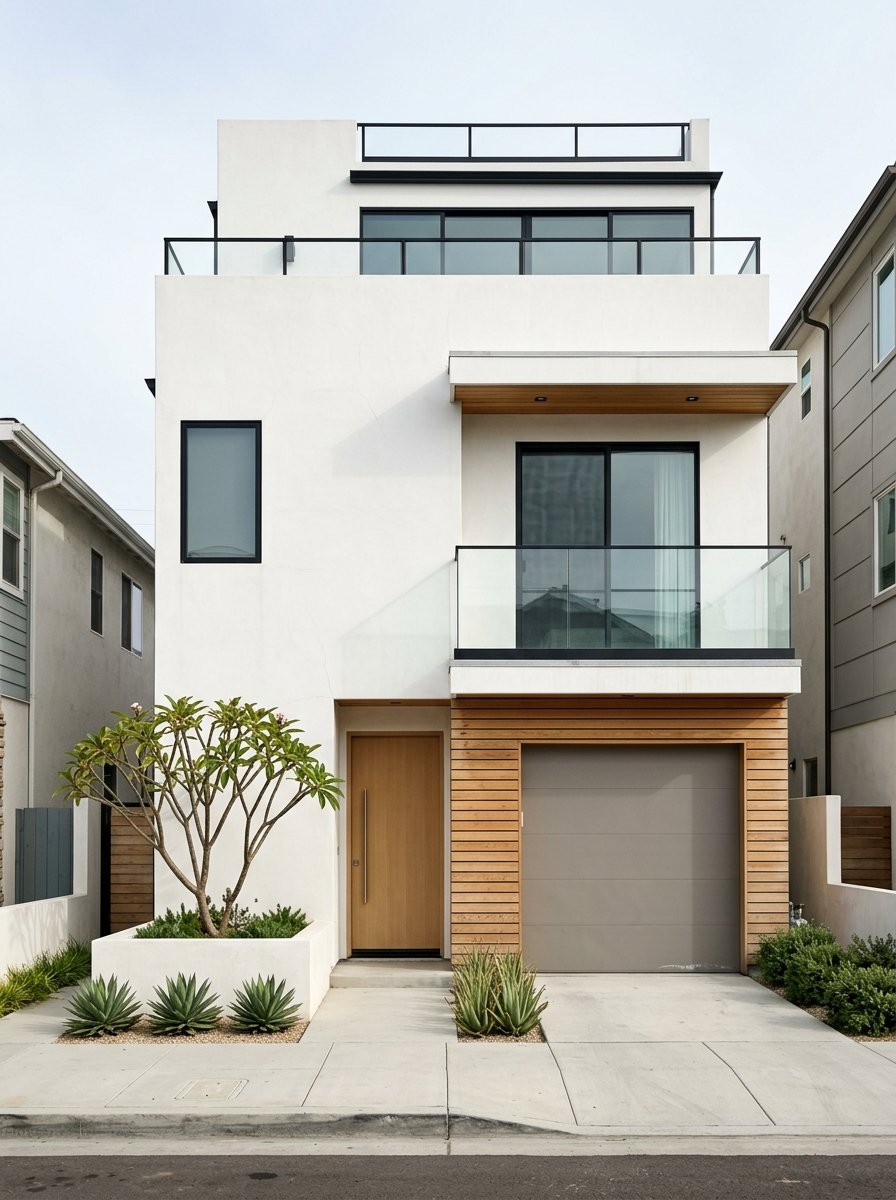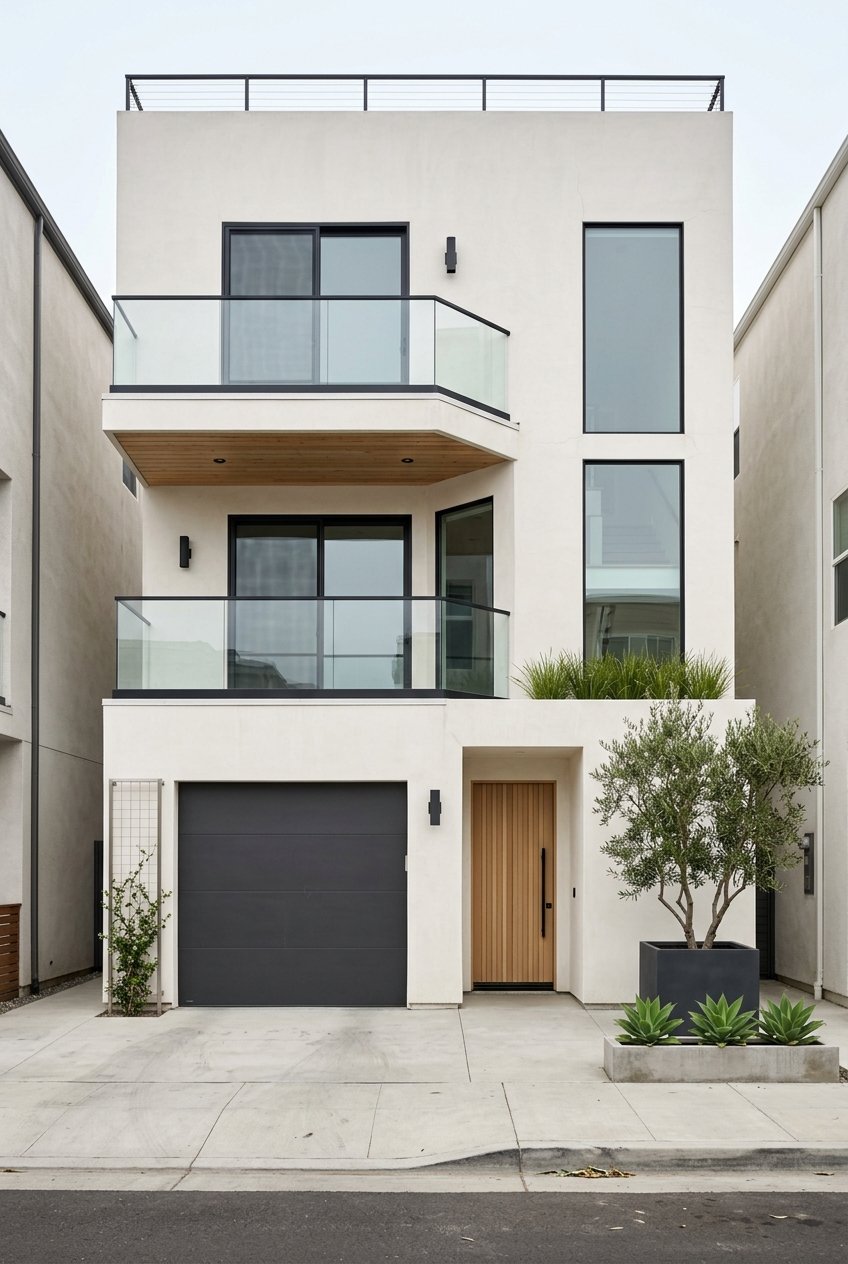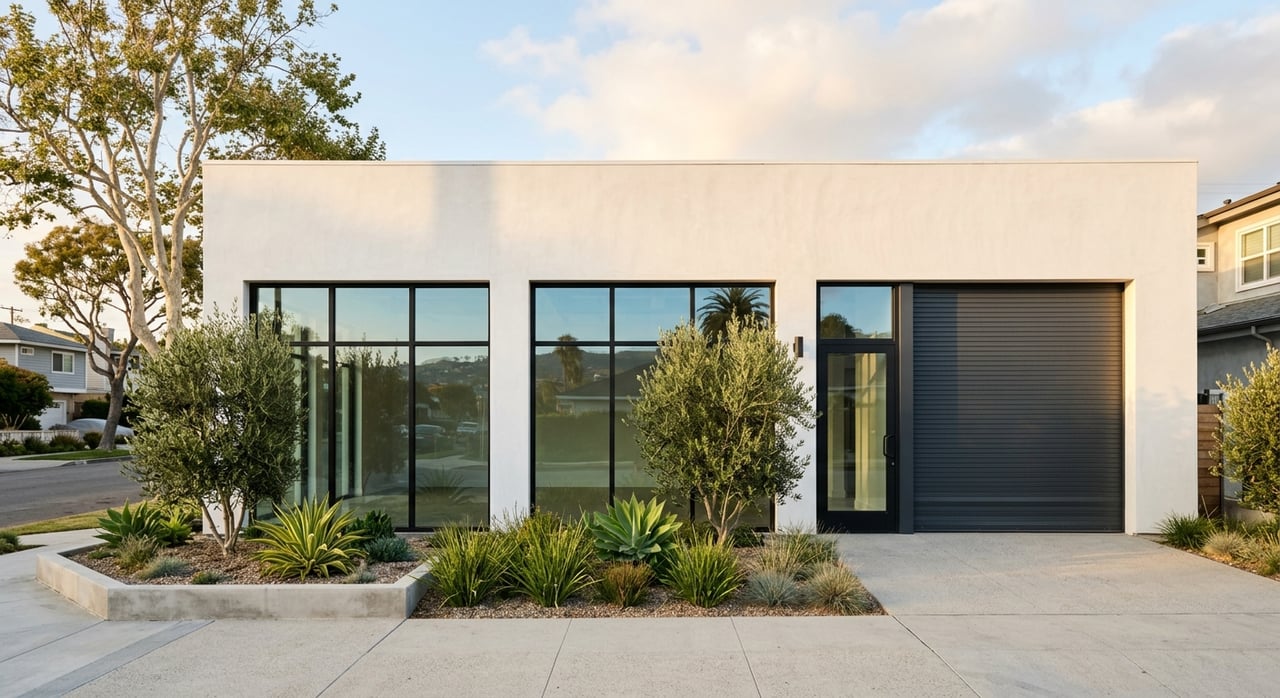
If you are thinking about owning commercial property in Huntington Beach, you are looking at a market shaped by more than just square footage and rent. You are also buying into local foot traffic, coastal visibility, city planning rules, and the day-to-day rhythm of a place people actively want to visit. Whether you are an owner-user, a small investor, or exploring a Main Street opportunity, this guide will help you understand what matters most before you make a move. Let’s dive in.
Why Huntington Beach Stands Out
Huntington Beach offers a mix of local spending power and visitor activity that can support several types of commercial property. The city’s 2025 population estimate was 191,451, median household income was $120,919, and retail sales reached $4.67 billion. That gives owners a meaningful local customer base to work with.
Tourism adds another layer to the picture. Visit Huntington Beach reported 2.4 million visitors in 2025, along with $585 million in direct visitor spending and 5,532 tourism-supported jobs. If you are looking at downtown retail or a property near the beach, that combination of resident demand and visitor traffic can be a real advantage.
Know the Main Commercial Areas
Huntington Beach is not one-size-fits-all when it comes to commercial ownership. The city’s planning documents identify key commercial concentrations in Downtown Huntington Beach and along Beach Boulevard, Adams Avenue, Edinger Avenue, Warner Avenue, and Pacific Coast Highway. Each area has a different feel, access pattern, and tenant appeal.
Downtown is especially distinct. The Downtown Specific Plan No. 5 was adopted to support a unique, economically vibrant, pedestrian-oriented district. That means a property in the downtown core should be evaluated differently than a corridor property on a larger arterial road.
Downtown Huntington Beach
Downtown Huntington Beach is built around walkability, storefront presence, and visual activity. City design guidelines encourage buildings that sit close to the street, maintain a continuous storefront rhythm, and use transparent ground-floor facades. They also discourage parking lots that interrupt commercial frontage.
For owners, that matters because value is often tied to how well a property engages the street. A storefront with strong visibility, easy pedestrian access, and a layout that supports active ground-floor use may fit the district better than a property that functions like a suburban strip center.
Corridor Commercial Areas
Outside the downtown core, corridor-based commercial assets along Beach Boulevard, Adams, Edinger, Warner, and Pacific Coast Highway can offer a different ownership profile. These locations may be better suited to larger shopping-center formats or arterial-road commercial uses. The appeal here often depends on access, vehicle exposure, parking, and tenant type.
If you are comparing downtown with a corridor property, it helps to think about the customer experience first. Downtown often leans into walk-in traffic and storefront energy, while corridor properties may rely more on convenience and broader road visibility.
Common Property Types to Consider
Commercial ownership in Huntington Beach can take several forms. The right fit depends on your goals, your budget, and whether you plan to occupy the property yourself or lease it out.
Street-Retail Storefronts
Street-retail spaces are common in downtown settings and can work well for cafes, boutiques, salons, professional services, and other small-footprint users. These spaces typically benefit from sidewalk visibility and passing foot traffic. In Huntington Beach, frontage quality can be especially important because the city places real emphasis on transparent, engaging storefronts.
Mixed-Use Buildings
Mixed-use properties are a notable part of the downtown plan area. The city’s land-use categories include both Mixed-Use Horizontal and Mixed-Use Vertical formats, which can include commercial space on the ground floor with residential or office space above or alongside it.
These properties can be attractive because they spread risk across more than one use. At the same time, they require careful attention to access, parking, signage, and how the commercial and non-commercial components function together.
Small Service or Office Spaces
Some owners are not chasing a restaurant or retail concept at all. Small service and office spaces can appeal to users such as accountants, brokers, health and wellness businesses, and other professionals who value a Huntington Beach address and a customer-friendly location.
In these cases, the best property is not always the biggest one. A well-positioned, efficient space with a clean street presence may be more useful than a larger layout with weaker visibility or awkward access.
What the Market Context Tells You
Broader Orange County market conditions can help frame your decision. In Q1 2026, Orange County retail availability was 3.9%, with an average asking rent of $2.56 NNN per square foot per month. That relatively tight retail environment can support owners who are evaluating leasing potential or long-term demand.
Orange County industrial vacancy was 5.3% in the same quarter. That is relevant if you are weighing a downtown retail or mixed-use purchase against warehouse or light-industrial opportunities elsewhere in the city. The choice often comes down to your use case, income goals, and how hands-on you want to be with the property.
Ownership Decisions That Matter Most
Before you buy, focus on the details that can shape performance long after closing. In Huntington Beach, commercial value is often tied to how well a property fits the local plan, the street, and the intended tenant.
Here are a few factors to weigh carefully:
- Frontage and visibility: Especially downtown, strong street presence matters.
- Access and circulation: Look at pedestrian flow, rear parking access, and how customers enter the space.
- Tenant compatibility: A property should match the type of business it is likely to attract.
- Layout efficiency: Mixed-use buildings need clean separation between commercial access, residential access, parking, and signage.
- Signage potential: Marketing visibility may depend more on storefront and pedestrian-oriented sign types than large roadside signage.
Financing for Owner-Users
If you plan to operate your business from the property, SBA financing may be part of the conversation. According to the SBA, 7(a) loans can be used for acquiring, refinancing, or improving real estate and buildings. SBA 504 loans can provide long-term fixed-rate financing for existing buildings or land, new facilities, and improvements.
There is an important limit to understand. The 504 program cannot be used for speculation or investment in rental real estate. In practice, that makes SBA programs most relevant when you intend to occupy the property or build your operating business around it.
Local Compliance Can Shape the Deal
In Huntington Beach, the ownership equation goes beyond purchase price and lease terms. Zoning, coastal review, business licensing, and signage rules can all affect timing and feasibility.
The city operates under a certified Local Coastal Program, which means parcels in the coastal zone can face additional review. Planning materials note that coastal development permits may be required when development in the coastal zone involves changes in use intensity or density. If you are buying near the coast, this is something to investigate early.
There is also a practical licensing step to keep in mind. Huntington Beach’s business license application states that the Business License office will not accept or process an application until proof of all appropriate zoning permits has been provided. That means permit and use review are not side issues. They can directly affect your opening timeline.
Signage Rules Matter Downtown
Signage can have a direct impact on tenant appeal and marketing strategy. Downtown Huntington Beach has sign rules that are more restrictive than the general city sign code. The downtown guidelines allow wall, awning, projecting, window, and temporary banner or flag signs, subject to standards, and they prohibit pole signs downtown.
For mixed-use properties, the commercial portion follows the downtown sign chart, while residential signs follow the general sign code. If you are underwriting a property based on strong brand visibility, it is worth understanding what kind of sign presence the site can realistically support.
A Smart Leasing Mindset
Owning commercial property is not just about buying well. It is also about leasing well. In Huntington Beach, especially downtown, the built environment favors tenants that can market themselves through storefront visibility, pedestrian-oriented signage, and an active street presence.
That can reward landlords who preserve transparent frontages, avoid blank walls, and maintain uninterrupted pedestrian flow. It also means the best tenant is often the one whose business model fits the property’s physical design and the district’s planning goals.
How to Think Strategically Before You Buy
A strong purchase starts with a clear plan. Instead of asking only whether a property looks promising, ask whether it works for the way Huntington Beach actually functions.
Use this simple framework:
- Define your use. Will you occupy the property, lease it out, or balance more than one use in a mixed-use format?
- Match the area to the goal. Downtown and corridor properties serve different business models.
- Review local rules early. Zoning, coastal review, signage, and licensing can affect timing and cost.
- Study frontage and flow. In this market, visibility and pedestrian experience can shape performance.
- Align financing with your plan. Owner-user and investment strategies do not always fit the same loan programs.
Why Local Guidance Helps
Commercial property in Huntington Beach is highly local. A Main Street storefront, a mixed-use building near the beach, and a corridor commercial asset can each tell a very different story. The right opportunity is usually the one that aligns location, use, visibility, and compliance from the start.
That is where a strategic, local approach makes a difference. When you understand not just the property, but also the city’s planning logic and how buyers, tenants, and businesses actually use these areas, you can make more confident decisions.
If you are considering a commercial purchase in Huntington Beach and want a thoughtful, concierge-level approach, connect with Ashley Sells OC to schedule a consultation.
FAQs
What types of commercial property are common in Huntington Beach?
- Common property types include street-retail storefronts, mixed-use buildings, small service or office spaces, and corridor-based commercial properties along major roads like Beach Boulevard and Pacific Coast Highway.
What makes Downtown Huntington Beach different for commercial owners?
- Downtown Huntington Beach is guided by a specific plan focused on walkability, street-facing storefronts, transparent facades, and pedestrian activity, so property performance often depends heavily on frontage and visibility.
What should owner-users know about SBA financing for commercial property?
- SBA 7(a) loans can be used for acquiring, refinancing, or improving real estate, while SBA 504 loans can finance buildings, land, new facilities, and improvements, but 504 loans cannot be used for speculation or rental real estate investment.
What local approvals may affect a Huntington Beach commercial purchase?
- Depending on the property, you may need to review zoning requirements, coastal development permit rules in the coastal zone, signage standards, and business license timing tied to zoning permit approval.
Are downtown Huntington Beach signage rules different from other areas?
- Yes. Downtown has more restrictive sign rules that allow certain sign types like wall, awning, projecting, window, and temporary banner or flag signs, while prohibiting pole signs in the district.