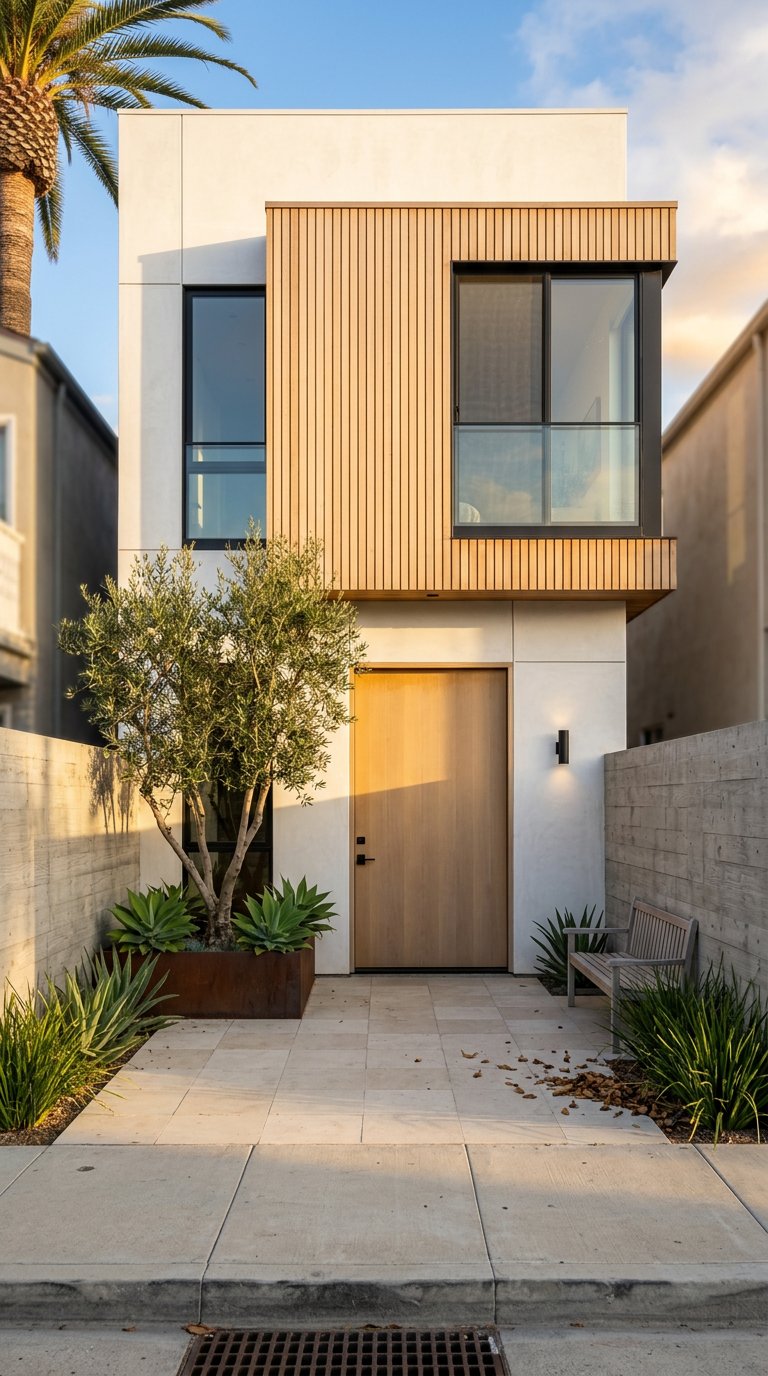
If you are dreaming of a laid‑back beach life with real amenities, Huntington Beach delivers. The question is which pocket fits you best. Do you want calm canals and a private dock, or do you picture walking to the pier for sunset and dinner? In this guide, you will compare day‑to‑day life, housing styles, and key buyer tips from Huntington Harbour to Downtown and the surrounding beach neighborhoods, so you can move forward with clarity. Let’s dive in.
Huntington Beach at a glance
Huntington Beach has about 193,000 residents, a median household income near $121,000, and an average commute around 28 to 29 minutes, according to the latest federal snapshot. You can review the city’s core stats in U.S. Census QuickFacts. Citywide pricing sits in the low to mid seven figures, with waterfront and gated coastal pockets trading above the city median. For a high‑level trend view, you can also scan PropertyShark’s Huntington Beach market summary.
Huntington Harbour: boats, islands, and calm water
Huntington Harbour is a sheltered, man‑made canal system built in the 1960s across five islands, including Admiralty and Trinidad. If you picture launching a kayak before breakfast or stepping onto your boat from your backyard, this is where that lifestyle is realistic. For background on the community’s layout and island names, see the Huntington Harbour overview.
What daily life looks like
- Quiet mornings on the water, then a quick drive to local shops and marinas.
- Easy access to Sunset Beach and Bolsa Chica paths for biking or evening walks.
- Weekends on the bay with friends, paddle boards, or a harbor cruise.
Typical homes
- Single‑family waterfront properties, many with private docks or marina access.
- A mix of midcentury footprints and rebuilds, plus some condo communities near the water.
- Premiums for true waterfront lots and deeded dock rights compared with inland units.
Buyer notes for the Harbour
- Dock rights and maintenance matter. Confirm if a dock is deeded, shared, or leased, and who maintains bulkheads or seawalls.
- Budget for coastal maintenance like salt exposure and dock upkeep.
- Review HOA rules for any condo or waterfront community to understand fees, reserves, and use policies.
Downtown, the Pier, and Pacific City: walkable and lively
If you want to step out for coffee, catch a surf, and meet friends for dinner without getting in the car, the Downtown and Pier area is your hub. Main Street and the beachfront center at Pacific City anchor a very walkable scene with year‑round events. Get a feel for the retail and programing at Pacific City.
What daily life looks like
- Sunrise surf or run on the sand, then breakfast steps from home.
- Midday errands and beach time, with frequent weekend events by the pier.
- Evenings are social and energetic, especially around Main Street and Pacific City.
Typical homes
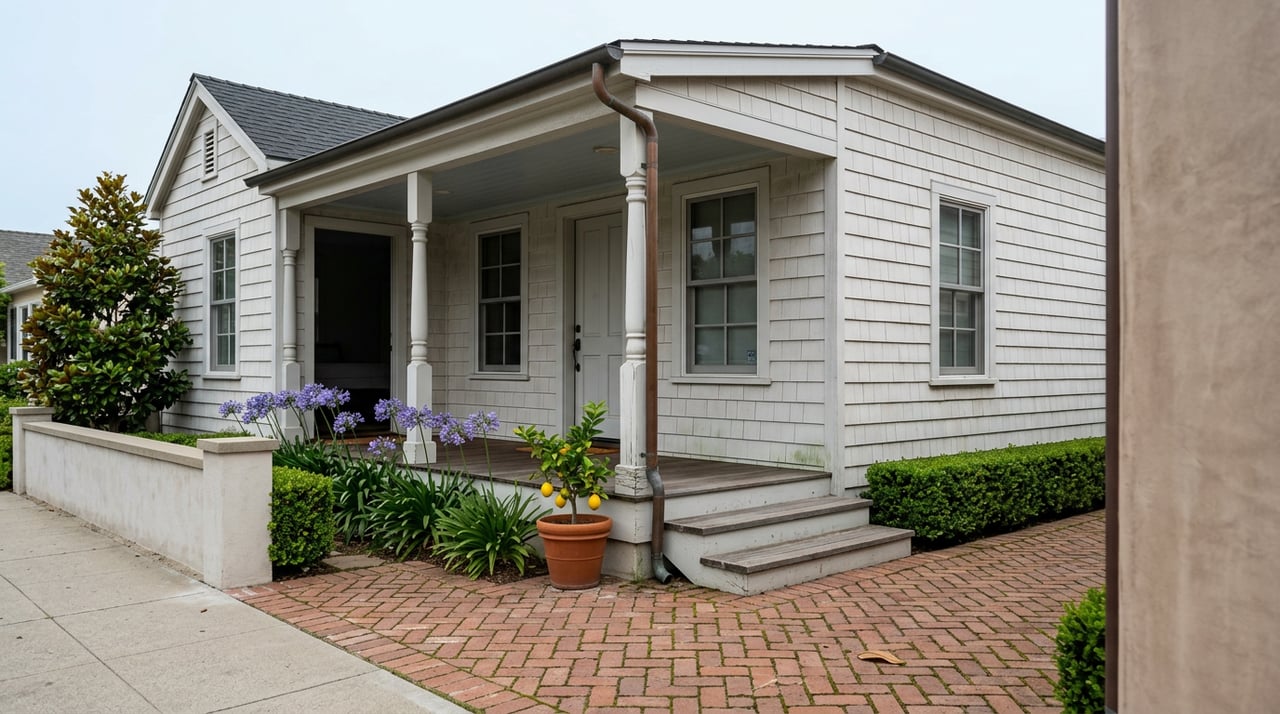
- Historic cottages and small bungalows on the side streets.
- Many condos and townhomes closer to PCH and the Pier.
- Limited supply of remodeled beachfront houses and penthouses. Expect higher price per square foot due to location.
Buyer notes for Downtown
- Review HOA rules for condos and townhomes, including rental policies and guest parking.
- Expect a livelier evening and weekend scene compared with quieter inland blocks.
- Inventory is often tight near the sand, so timing and offer strategy matter.
Seacliff, The Peninsula, and nearby beach stretches
North and south of Downtown, you will find upscale, residential pockets that balance beach life with a more private feel. Seacliff and The Peninsula offer larger single‑family homes, many near a golf course, while streets closer to Bolsa Chica and Sunset Beach feel more relaxed and coastal.
What daily life looks like
- Morning bike rides along the ocean path, then an easy drive to local errands.
- Afternoons at the beach or nearby parks.
- Quiet evenings at home or short trips to Downtown for dining.
Typical homes
- Larger lot single‑family properties with attached garages and outdoor space.
- Gated enclaves in select communities with lower turnover.
- Pricing often above the city median due to size, location, and limited supply.
Bolsa Chica: trails, wetlands, and open space
Bolsa Chica brings a nature‑first feel with miles of easy trails and boardwalks, plus a wide state beach. If you want a quieter routine outdoors, this area is a standout. Plan a visit through Bolsa Chica State Beach and the adjacent ecological reserve, and note that conservation areas influence nearby zoning and public access. For details on the protected marine area, visit the state’s page for the Bolsa Bay and Bolsa Chica Basin.
What daily life looks like
- Morning birding or a family walk on the wetlands trails.
- Biking the paved oceanfront path that runs the length of the coast.
- Evenings by a beach fire pit or a sunset jog.
Day‑in‑the‑life vignettes
- Harbour owner: Quick kayak before school drop‑off, lunch near the marina, then a golden hour cruise through the channels.
- Downtown resident: Surf at first light, work from home, coffee by the Pier, then dinner with friends at Pacific City.
- Seacliff or Peninsula homeowner: Morning ride on the ocean path, tee time nearby, relaxed evening at home with coastal breezes.
Getting around and commute notes
Citywide, average commute times fall in the high‑20 minute range, per Census QuickFacts. John Wayne Airport in Santa Ana is typically a 20 to 30 minute drive, depending on traffic. Public transit is available through OCTA, yet most locals drive for daily errands. If you commute to Irvine, Santa Ana, or other OC job centers, test your route during peak hours before you commit to a neighborhood.
Housing types and market patterns
You will see clear differences in product by zone:
- Harbour: Waterfront single‑family homes, many with docks, plus some condos near the water. Dock rights and seawall responsibilities are key value drivers.
- Downtown/Pier: Cottages, renovated bungalows, and a high share of condos and townhomes close to sand and dining.
- Seacliff/Peninsula: Larger single‑family homes with golf and coastal proximity, often with lower month‑to‑month turnover.
Citywide medians sit around the low to mid seven figures. Waterfront and gated pockets often trade well above that baseline. Inventory and days on market vary by micro‑neighborhood and property type. When a special home hits in a tight pocket, be ready to move quickly with clean terms and complete due diligence.
Buyer checklist for coastal homes
Use this short list to stay ahead of surprises before you write an offer:
- Confirm flood risk. Search the address on the FEMA Flood Map Service Center to verify the flood zone and any lender insurance requirements.
- Review sea level guidance. California’s latest scenarios and planning context are published by the Ocean Protection Council. Start with the State Sea Level Rise Guidance.
- Budget for insurance and maintenance. Standard policies often exclude flood and earthquake. Coastal exposure can increase premiums and upkeep for docks, bulkheads, and salt corrosion.
- Verify docks, slips, and title. In the Harbour, confirm whether a dock is deeded, shared, or leased, and whether any seawall or bulkhead obligations tie to the property.
- Read HOA documents. For condos and many waterfront communities, review CC&Rs, financials, and reserve studies. Pay close attention to rental rules and guest or dock policies.
- Check short‑term rental rules. Huntington Beach requires permits and has zone‑specific rules. Start with the city’s code for Short‑Term Rentals.
- Understand schools. Boundaries vary by neighborhood. Review maps and resources from the Huntington Beach Union High School District, and verify assignments with the district.
- Test your commute. Drive your peak route and parking patterns at the times you would actually travel.
How to choose your pocket
Begin with how you want to live day to day. If boating is central, the Harbour should be on your shortlist. If walking to surf, restaurants, and events is the priority, focus on Downtown and the Pier area. If you want more space and a quieter coastal routine, explore Seacliff, The Peninsula, and the stretches near Bolsa Chica and Sunset Beach.
From there, align your wish list with current inventory, HOA or dock considerations, and your cost of ownership. A clear offer plan is essential in low‑supply pockets, especially on the water or near the sand. If you want a guided process, local insight, and white‑glove coordination from tours to closing, connect with me. As a long‑time Huntington Beach resident and a coastal specialist with The Agency, I help you compare micro‑neighborhoods, secure the right fit, and negotiate with confidence.
Ready to explore Huntington Harbour to Downtown and beyond? Let’s map your lifestyle and next steps. Ashley Sells OC.
FAQs
What makes Huntington Harbour ideal for boating access?
- Huntington Harbour was built as a canal community with five man‑made islands and many homes have private docks or nearby marinas, which makes daily boating practical. See the Huntington Harbour overview for context.
Where is the most walkable beach lifestyle in Huntington Beach?
- The Downtown and Pier area offers the strongest walkability to dining, shops, and the beach, anchored by Main Street and Pacific City.
Are home prices similar across Huntington Beach neighborhoods?
- No. Citywide medians are helpful, but waterfront and gated coastal pockets often sell above those baselines. For a high‑level view, check PropertyShark’s market summary and use local comps when you are ready to bid.
How long is the oceanfront bike and run path?
- The paved multi‑use path along the coast runs for roughly 8.5 miles through the Huntington Beach district, connecting Bolsa Chica south to Huntington State Beach.
How far is John Wayne Airport from Huntington Beach?
- Typical drive time to John Wayne Airport (SNA) is about 20 to 30 minutes depending on traffic. Always test your route during the times you would normally travel.
Should I worry about flood risk or sea level rise when buying near the coast?
- Yes. Check your address on the FEMA Flood Map Service Center and review California’s State Sea Level Rise Guidance. Ask your insurer and, if needed, a civil engineer about elevation, seawalls, and long‑term planning.
Can I operate an Airbnb or vacation rental in Huntington Beach?
- Only if you follow the city’s permit rules and zone requirements for hosted and non‑hosted rentals. Start with Huntington Beach’s Short‑Term Rentals code and confirm specifics with the city before you buy.