If you are deciding between a condo and a coastal home in Newport Beach, you are not just choosing a property type. You are choosing how you want to live day to day, how much upkeep you want to manage, and how much flexibility you need over time. In a market where both options can sit firmly in the luxury range, clarity matters. This guide will help you compare the tradeoffs so you can choose with more confidence. Let’s dive in.
Why this choice matters in Newport Beach
Newport Beach is not a one-size-fits-all market. The city’s housing mix includes a majority of single-unit residences, along with attached and multi-family options, giving buyers a real lifestyle choice depending on how they want to use the property. According to the City of Newport Beach housing data, many homes are also used seasonally or occasionally, which helps explain why ownership goals can vary so much from buyer to buyer.
Price also shapes the decision. In March 2026, Redfin reported Newport Beach’s median sale price at $3.41M citywide, while active condo listings showed a median asking price of $2.37M. Even though condos may come in at a lower entry point than detached homes, both categories often require a thoughtful plan around budget, insurance, and long-term use.
What condo living looks like
A condo can be a strong fit if you want a more streamlined ownership experience. In California, condos are part of a common-interest development, which means you join the homeowners association and agree to its rules, dues, and governing documents. The California Department of Real Estate condo guidance explains that HOA dues often cover shared maintenance and common areas, while owners still need coverage for the interior of their own unit.
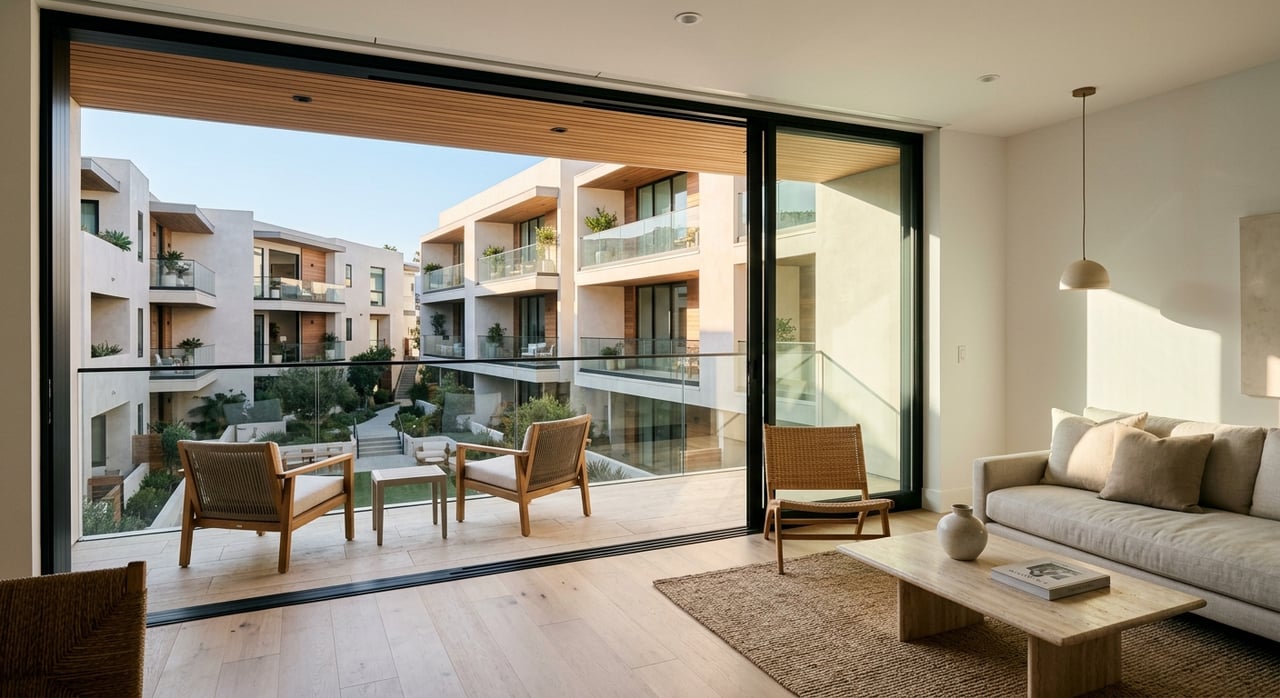
That structure can make condo ownership feel simpler, especially if you travel often or want less exterior upkeep on your plate. In Newport Beach, some condo communities also offer amenities that support a more lock-and-go lifestyle, including pools, spas, fitness centers, and gated settings, as shown in current Newport Beach Country Club and Villa Point listings.
Condo advantages
- Less exterior maintenance for you to handle
- Shared amenities in some communities
- A more travel-friendly ownership model
- Potentially lower entry price than detached coastal homes
- Locations near shopping, dining, or harbor activity in some parts of Newport Beach
Condo tradeoffs
- Monthly HOA dues are a separate cost from your mortgage
- HOA rules can limit exterior changes and some uses
- Special assessments may be possible if reserves fall short
- Insurance needs still apply at the unit level
- Some loan programs may require condo project approval
What detached coastal home ownership looks like
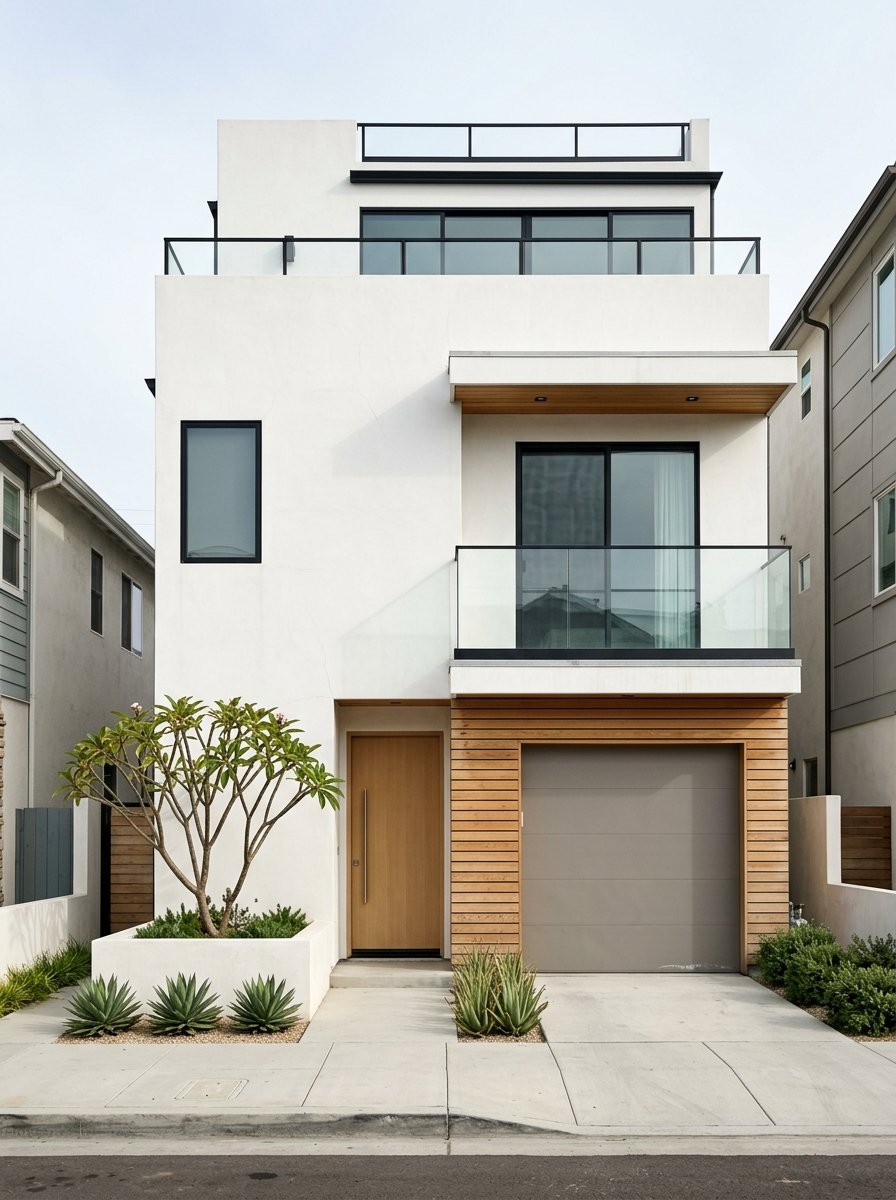
A detached home usually offers more privacy, more outdoor space, and more control over the property. If you want a yard, a larger footprint, extra parking, or the ability to remodel with fewer shared restrictions, a single-family coastal home may align better with your goals. This option often appeals to buyers planning for longer-term use or wanting more room to host and spread out.
The tradeoff is responsibility. As the Consumer Financial Protection Bureau mortgage glossary notes, owners of detached homes are generally responsible for maintenance, repairs, and landscaping themselves. In Newport Beach, listings in areas like Balboa Island, Corona del Mar, Newport Coast, Lido Isle, and Bayshores often highlight features such as larger lots, private docks, and view-oriented layouts that buyers may not find in the same way with condo living.
Detached home advantages
- More privacy
- Greater control over remodeling and additions
- Larger outdoor areas in many cases
- Features like docks, larger lots, or more parking may be available
- Better fit for buyers who want the property to evolve over time
Detached home tradeoffs
- More maintenance and repair responsibility
- Higher time commitment for upkeep
- Often a higher price point
- Insurance and property risk can be broader in scope
Where condos and homes tend to cluster
Location can make the decision easier because certain Newport Beach areas naturally support one lifestyle more than another. Based on the official neighborhood overview from Visit Newport Beach, condo living tends to be more visible in amenity-rich or higher-density areas such as Newport Center and Fashion Island, the Balboa Peninsula, and dockside Lido Marina Village and harbor-adjacent pockets.
Those areas each offer a different rhythm. Newport Center is more retail and amenity oriented, Lido Marina Village is dockside and walkable, and the Balboa Peninsula centers on beach and harbor activity. If you want to be near that energy with less maintenance, condos in these areas can be a practical starting point.
Detached homes are more prominent in residential coastal enclaves such as Balboa Island, Corona del Mar, Newport Coast, Lido Isle, and Bayshores. These areas are often associated with waterfront residential living, larger homesites, or view-driven layouts. If privacy, land, or long-term customization matters most, these neighborhoods may deserve a closer look.
The real budget question: monthly cost
The purchase price is only part of the decision. A condo may have a lower price point than a detached home, but the monthly budget can look different once HOA dues are added. In local examples from Villa Point and nearby Newport Beach Country Club listings, HOA charges were shown around $660 to $1,180 per month.
That does not automatically make a condo more or less affordable. It simply means you need to compare total monthly ownership cost, not just list price. For some buyers, paying HOA dues in exchange for shared maintenance and amenities feels worthwhile. For others, putting those dollars toward a detached property with more control may feel like the better fit.
HOA review matters more than many buyers expect
If you are leaning condo, reviewing the HOA is a major part of due diligence. The California DRE notes that association budgets fund daily operations and long-term reserves, and special assessments can happen if regular assessments are not enough. Boards are also expected to review reserve studies regularly, which is one reason these documents deserve close attention.
You will also want to read the CC&Rs and any rules on leasing or property use. California law limits some rental restrictions in common-interest developments, but short-term rental bans of 30 days or less may still be allowed. If rental flexibility is important to you, this is not something to skim past.
Financing can affect your options
Your loan program can influence whether a condo is practical. According to HUD’s condominium financing guidance, an FHA condominium project generally must be approved before FHA mortgage insurance can be processed for an individual unit, though single-unit approval may be possible in some cases.
That means buyers using lower-down-payment or government-backed financing should check condo eligibility early. Detached homes may present fewer project-level approval questions, which can simplify financing for some buyers. If your budget strategy depends on a specific loan type, it is smart to factor that into your decision from the start.
Insurance and coastal risk are part of the equation
In Newport Beach, coastal location is part of the appeal, but it also means risk review matters. The CFPB’s homeowners insurance guidance explains that standard homeowners insurance does not cover flood damage. FEMA requires flood insurance for homes in Special Flood Hazard Areas when there is a government-backed mortgage, and the City of Newport Beach provides FEMA flood map access for local property review through its planning resources.
This affects both condos and detached homes, just in different ways. Condo associations may carry a master policy for common areas, but owners usually still need unit-level coverage. Detached homeowners are typically handling a broader insurance picture directly, so it is important to review coverage needs and flood-zone considerations before you commit.
How to choose based on lifestyle
For most buyers, this decision becomes clearer when you picture daily life, not just square footage. If you want a lower-maintenance setup, easy travel, shared amenities, and a property that feels simpler to lock and leave, a condo may check more boxes. That can be especially appealing if the home will be used seasonally or as a second residence.
If you want privacy, outdoor space, room to host, or more control over changes and improvements, a detached coastal home may be the better long-term match. Buyers who plan to stay for years or want the property to adapt with their lifestyle often lean this way.
Questions to ask before you decide
Use these questions to pressure-test your choice:
- How much maintenance do you want to handle yourself?
- Do you want a yard, dock, larger garage, or extra parking?
- How important are amenities like a pool, fitness center, or gated entry?
- Are you comfortable with HOA dues and the possibility of special assessments?
- Do you need rental flexibility now or later?
- Does your financing program create extra hurdles for condo purchases?
- How important is privacy versus convenience?
- Will this be a primary home, second home, or part-time coastal retreat?
The best answer is rarely about which property type is better overall. It is about which one supports the way you want to live in Newport Beach.
If you want help comparing Newport Beach condos versus coastal homes through a lifestyle, budget, and long-term strategy lens, Ashley Sells OC can help you narrow the options and move with confidence.
FAQs
What is the main difference between a Newport Beach condo and a Newport Beach coastal home?
- A condo usually offers shared maintenance and HOA-managed amenities, while a detached coastal home typically offers more privacy, outdoor space, and control over the property.
Are HOA fees common for Newport Beach condos?
- Yes. Condo buyers in Newport Beach should expect HOA dues, and local examples in Villa Point showed monthly charges ranging from about $660 to $1,180.
Do Newport Beach condo buyers need to review HOA documents carefully?
- Yes. Buyers should review the HOA budget, reserve funding, CC&Rs, assessments, and any rental or use restrictions before moving forward.
Are detached homes more common in certain Newport Beach neighborhoods?
- Yes. Detached homes are especially prominent in areas such as Balboa Island, Corona del Mar, Newport Coast, Lido Isle, and Bayshores.
Can financing be different for Newport Beach condos?
- Yes. Some condo purchases involve project approval requirements, especially for FHA-backed financing, so buyers should verify eligibility early.
Does flood insurance matter for Newport Beach properties?
- Yes. Standard homeowners insurance does not cover flood damage, and flood insurance may be required for properties in Special Flood Hazard Areas with government-backed mortgages.